
Small plumbing issues can hide for months. You may only notice them after damage starts. A good inspection helps you find leaks, clogs, weak pressure, and worn fixtures early. It also gives you a safer plan before repairs grow costly. Advantage Plumbing Plus helps Central Wisconsin homeowners solve plumbing problems before they spread with clear checks, honest service, and local experience.
What Should You Know About the Importance of Plumbing Inspection?
A plumbing inspection checks the parts you use every day. It looks at pipes, drains, fixtures, toilets, faucets, water heaters, and visible connections. The goal is simple. Find problems before they become emergencies.
You should not wait for water on the floor. Many plumbing issues begin quietly behind walls, under sinks, or near old shutoff valves. You may notice decreased water pressure, slow drains, or a small dripping faucet first. In Wisconsin homes, cold weather can also stress older pipes. If hot water problems appear during an inspection, you can protect your water heater before failure and avoid sudden breakdowns.
How Does the Importance of Plumbing Inspection Help Your Home?
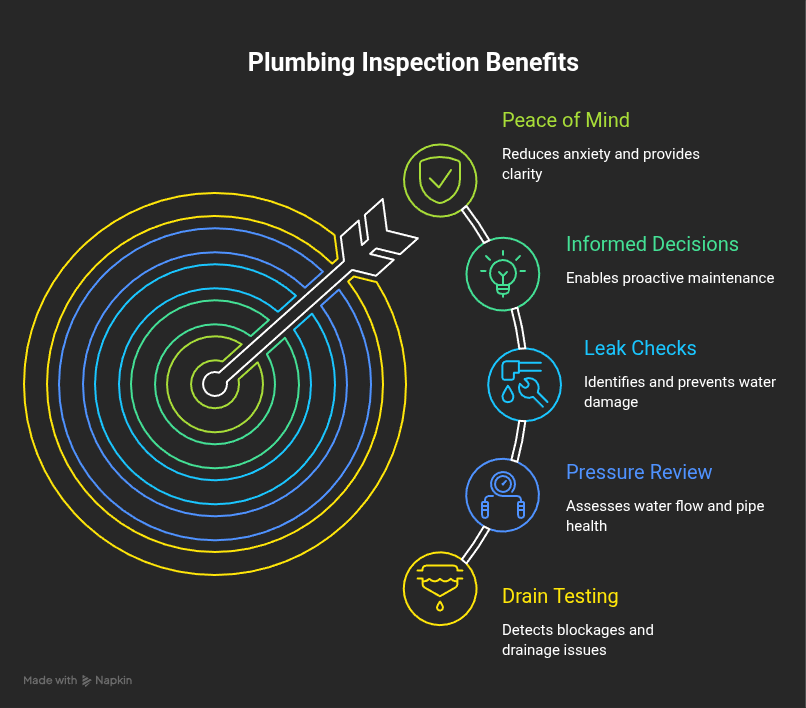
A good inspection gives you a clear view of your system. It helps you stop guessing. Your plumber can check water flow, leaks, drain behavior, fixture wear, pipe age, and warning signs before repairs become urgent.
- Leak Checks: Small leaks can damage cabinets, walls, and floors.
- Pressure Review: Weak flow may point to buildup or pipe trouble.
- Drain Testing: Slow drains can reveal deeper blockage problems.
- Fixture Inspection: Worn faucets and toilets can waste water.
- Water Heater Review: Age, rust, and leaks can show risk.
In my experience, inspections often calm homeowners down. They replace fear with facts. You learn what needs service now and what can wait. That matters when your home has older pipes or repeat drain trouble. If water or sewer concerns point outside the main plumbing lines, you can check septic repair needs early before backups cause more stress.
What Problems Can a Plumbing Inspection Find?
A plumbing inspection can find issues that you may overlook. It may reveal loose valves, hidden leaks, worn supply lines, weak pressure, slow drains, and fixture wear. It can also help explain noises, odors, and water color changes.
| Warning Sign | What It May Mean |
| rattling pipes | Loose lines or pressure shock |
| discolored water | Rust, sediment, or old pipes |
| tub drains blocked | Hair, soap, or deeper clogs |
| sewage backing up | Sewer or septic flow trouble |
| broken pipe | Freeze damage, age, or pressure stress |
The importance of plumbing inspection becomes clear when one small sign points to a bigger issue. A faucet drip may waste water. A slow drain may hide buildup. A loose pipe may become a leak. A sewer smell may warn you before a backup. A licensed plumber can connect these clues and give you a clear repair plan.
Why Does the Importance of Plumbing Inspection Matter Before Emergencies?
Plumbing emergencies often start as small warning signs. You may ignore them because the system still works. Then a pipe bursts, a drain backs up, or a water heater leaks during a busy day.
- Early Leak Detection: You find moisture before damage spreads.
- Pressure Control: You catch stress from weak or uneven pressure.
- Drain Protection: You spot clogs before wastewater backs up.
- Fixture Care: You repair small wear before replacement costs rise.
- Emergency Prevention: You act before water damages your home.
Routine checks help you prevent plumbing emergencies. They also help you save money with plumbing inspections because small repairs usually cost less than cleanup, flooring damage, drywall repair, or emergency service. You also get a peace of mind plumbing system because you know what condition your home is in. That confidence matters before winter, holidays, travel, or buying a home.
When Should You Schedule a Plumbing Inspection?
You should schedule an inspection when your system changes. Low pressure, slow drains, odd smells, pipe noise, and stains deserve attention. You should also inspect before buying, remodeling, or leaving a home vacant.
The importance of plumbing inspection grows in older homes. Pipes age. Valves stick. Water heaters corrode. Drains collect grease, soap, and hair. You may also need seasonal checks before freezing weather. Wisconsin winters can turn weak pipes into urgent problems. If you already had leaks, clogs, or backups, do not wait. A routine check can show if the issue truly ended.
What Should a Home Plumbing Inspection Include?
A strong inspection should cover the full system. Your plumber should review visible pipes, fixtures, drains, toilets, shutoff valves, water heater parts, sump areas, and signs of corrosion. They should also ask about recent problems.
| Area Checked | Why It Matters |
| Faucets and Sinks | Finds leaks and worn seals |
| Toilets | Checks running, leaks, and movement |
| Drains | Spots slow flow and clogs |
| Water Heater | Reviews age, leaks, and rust |
| Pipes and Valves | Finds wear, corrosion, and weak spots |
The importance of plumbing inspection also includes listening to you. Your daily experience matters. Tell your plumber about rattling pipes, decreased water pressure, or discolored water. Mention a toilet that gurgles or a sink that smells odd. These details help narrow the cause. A good inspection should give you next steps, not vague advice.
Can Plumbing Inspections Save You Money?
Yes, inspections can help control repair costs. Small leaks, weak valves, and slow drains often cost less to fix early. Waiting can turn them into water damage, mold risk, or emergency work.
You can save money with plumbing inspections because you reduce surprise failures. You also protect fixtures, appliances, and finishes. A dripping faucet may seem minor, but it can raise water bills over time. A hidden leak can damage cabinets and flooring. A weak water heater connection can fail suddenly. Paying for a clear review often costs less than paying for damage repair later.
What Warning Signs Should You Never Ignore?
Some signs need fast action. Sewage backing up into a toilet, tub, or floor drain should never wait. It can expose your home to waste, odor, and health risks.
- Broken Pipe: Shut off water and call right away.
- Discolored Water: Check for rust, sediment, or supply issues.
- Tub Drain Blocked: Watch for backup in nearby drains.
- Rattling Pipes: Look for pressure shock or loose pipe runs.
- Decreased Water Pressure: Check for leaks, buildup, or valve trouble.
The importance of plumbing inspection is strongest when warning signs repeat. One slow drain may look simple. Several slow drains may point to a deeper line issue. One noisy pipe may need a strap. Repeated banging may show pressure trouble. Do not wait for damage. Ask for help when patterns appear.
How Does an Inspection Help During a Home Purchase?
A general home inspection may not catch every plumbing issue. A plumbing-focused review gives deeper insight. It can help you understand pipe age, drain health, fixture condition, and water heater risk before closing.
The importance of plumbing inspection during a purchase is simple. You want facts before you buy. A home may look clean but still hide clogged drains, old valves, weak pressure, or sewer concerns. This review can help you negotiate repairs or plan your budget. It also gives you confidence before moving your family in. I would always check plumbing before buying an older home.
Does an Inspection Improve Peace of Mind?
Yes, it gives you real answers. A peace of mind plumbing system means you know your pipes, drains, fixtures, and appliances are working safely. You also know which items need care soon.
That clarity helps you plan instead of panic. You can handle small repairs on your schedule. You can prepare before winter. You can stop worrying about every sound behind the wall. You can also protect your family from sudden leaks, backups, and water damage. A good inspection turns unknown risk into clear steps. That is real value for any homeowner.
What Do Homeowners Ask About Plumbing Inspections?
What does a plumbing inspection find?
It can find leaks, worn valves, weak pressure, drain clogs, pipe damage, and water heater concerns. It can also explain rattling pipes or discolored water. The goal is to catch trouble early.
How often should I schedule a plumbing inspection?
Most homes benefit from a yearly or every-other-year review. Older homes may need checks more often. You should also schedule one after leaks, backups, or pressure changes.
Can inspections prevent plumbing emergencies?
Yes, inspections help prevent plumbing emergencies by finding risks early. A plumber can spot weak parts before they fail. This can reduce water damage and stress.
Why did my water pressure suddenly drop?
Decreased water pressure may come from leaks, buildup, valve trouble, or line issues. It can also affect one fixture or the whole home. An inspection helps find the cause.
Should I worry about sewage backing up?
Yes, sewage backing up needs fast help. It may point to a sewer, drain, or septic problem. Do not keep using fixtures until the issue gets checked.
Should You Call Advantage Plumbing Plus for the Importance of Plumbing Inspection?
You should call when your home shows leaks, clogs, pipe noise, or pressure changes. Our team can check the issue and explain your repair options clearly.
Advantage Plumbing Plus serves Wausau and nearby Central Wisconsin areas. You get help from licensed local plumbers who understand cold-weather pipe stress, water heater issues, drain problems, septic concerns, and home plumbing wear. We help you find problems early, protect your home, and avoid surprise plumbing emergencies.
- Company Name: Advantage Plumbing Plus, LLC
- Phone Number: 715-359-7473
- Website Link: https://advantageplumbingplus.com/