
Septic pumping helps protect your property from backups, odors, and expensive system damage. You may first notice slow drains, wet spots, or strange smells near your septic area. These signs often mean waste levels are rising inside the tank. Regular septic tank pumping removes buildup before it causes trouble. With proper septic maintenance, you improve system performance, protect your drain field, and avoid stressful repairs.
Why Does Septic Pumping Matter for Your Property?
Septic pumping matters because your septic tank collects wastewater every day. Solids settle inside the tank, and liquid moves toward the drain field. Over time, waste builds up. If you ignore it, sludge buildup in septic tank areas can block flow and damage your system.
Your septic system needs routine care to keep working safely. I often tell property owners that septic problems usually start quietly. You may notice slow drains, gurgling fixtures, or damp ground before a major backup happens. Regular septic services help remove solids before they reach the outlet line or drain field. This protects your yard, plumbing, and indoor comfort. With smart septic maintenance, you can avoid costly septic repairs and keep your property safer for years.
What Happens If You Skip Septic Pumping?
Skipping septic pumping can create serious trouble for your property. Waste does not disappear inside the tank. It separates, settles, and collects over time. When the tank becomes too full, solids can move into pipes and damage parts that need clear flow.
- Slow drains: Waste buildup can make sinks, tubs, and toilets drain poorly.
- Tank overflow: A full tank may push wastewater toward your home or yard.
- Drain field damage: Solids can clog soil and reduce absorption.
- Bad odors: Waste gases may rise near drains or the septic area.
- Costly repairs: Ignored buildup often leads to larger system failures.
You should treat these warning signs seriously. Septic tank pumping removes heavy solids before they spread into the system. It also gives professionals a chance to spot early concerns. During septic system inspections, technicians can check tank levels, baffles, flow, and possible drain field stress. This helps you protect your home, improve safety, and reduce surprise repair costs.
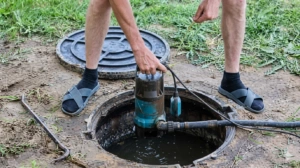
How Can Septic Pumping Improve Septic System Efficiency?
Septic pumping helps your tank work the way it should. When too much sludge collects, wastewater cannot separate properly. This can slow the system and push solids into the wrong places. Pumping restores needed space inside the tank.
When you schedule routine septic services, you help improve septic system efficiency and reduce stress on your drain field. A cleaner tank allows wastewater to settle and move more smoothly. I have seen homeowners wait until drains slow down, but that often means the tank already needs attention. Regular septic maintenance helps prevent backups, odors, and uneven drainage. It also supports better flow through pump lines, outlet filters, and connected pipes.
| Septic Concern | What You May Notice | Why Pumping Helps |
| Full tank | Slow drains or odors | Removes excess waste |
| Sludge buildup | Poor flow | Restores tank capacity |
| Drain field stress | Wet lawn areas | Reduces solids reaching soil |
| Pump line blockage | Weak movement | Supports proper wastewater flow |
When Should You Schedule Septic Pumping?
You should schedule septic pumping before warning signs become severe. Many homeowners wait until drains slow or odors appear. That can increase damage risk. A better approach is regular septic maintenance based on tank size, household use, and system age.
- Frequent slow drains: Repeated drainage issues may signal a full tank.
- Bad septic odors: Strong smells can mean waste levels are too high.
- Wet yard areas: Damp spots may show drain field stress.
- Long service gaps: Old pumping records increase system risk.
- High water use: Busy households fill tanks faster.
Your pumping schedule depends on how your property uses water. A large family, garbage disposal, or older tank may need more frequent septic tank pumping. A professional can review your system and recommend the right timing. During septic system inspections, they can also check for leaks, damaged parts, and early signs of backup risk. This helps you plan better and avoid costly septic repairs.
Why Are Septic System Inspections Important With Pumping?
Septic system inspections help reveal problems you cannot see. Pumping removes waste, but inspection checks system health. A technician can look at tank condition, baffles, lids, filters, and drainage flow. This gives you more confidence.
Pairing inspections with septic pumping gives you a clearer picture of your system. I always believe prevention costs less than emergency repair. When professionals inspect during septic tank pumping, they may find cracks, damaged fittings, heavy sludge, or weak movement through lines. They can also decide if jetting of pump lines may help restore flow. This helps protect your tank, pump components, and drain field from avoidable damage.
What Septic Problems Can Routine Maintenance Help Prevent?
Routine septic maintenance can prevent many common septic issues. Your system needs steady flow, clear lines, and enough tank space. When any part struggles, your home may show warning signs. Regular care helps catch problems before they become expensive.
- Sludge buildup in septic tank: Pumping removes solids before they clog outlets.
- Drain field overload: Proper care reduces waste pressure on soil.
- Slow drains: Maintenance helps keep wastewater moving correctly.
- Pump line blockage: Cleaning supports better line performance.
- Unexpected backups: Routine service lowers urgent repair risks.
You can protect your property by treating septic care as planned maintenance. Septic pumping should not wait until sewage backs up or your yard smells bad. Regular septic services keep your tank cleaner and your drain field healthier. They also help you improve septic system efficiency by keeping wastewater moving through the right path. This gives you fewer emergencies and better long-term value.
How Can You Protect Your Drain Field Between Septic Pumping Visits?
You can protect your drain field with simple daily habits. Avoid sending grease, wipes, harsh chemicals, or heavy solids into your plumbing. These items can build up inside the tank and reduce system performance. Smart habits support septic pumping results.
Spread out laundry loads during the week. Fix leaking toilets and faucets quickly. Do not park vehicles over the drain field. Keep roof drains and sump pump discharge away from the septic area. These steps reduce extra water pressure. With regular drain field services and septic maintenance, you help your system absorb wastewater properly and last longer.
What Do Property Owners Ask About Septic Pumping?
How often should you schedule septic pumping?
Most properties need septic pumping every few years. The exact timing depends on tank size, water use, and household size. A professional can guide you after checking your system.
What are signs your septic tank may be full?
Common signs include slow drains, odors, gurgling sounds, and wet areas near the drain field. These issues can mean waste levels are too high. You should schedule septic tank pumping before a backup occurs.
Can septic pumping help avoid costly septic repairs?
Yes, regular pumping removes solids before they damage pipes or the drain field. It also supports early problem detection. This helps you avoid costly septic repairs and surprise emergencies.
What is sludge buildup in septic tank systems?
Sludge buildup in septic tank systems happens when heavy solids settle at the bottom. If the layer grows too high, it can block flow. Pumping removes this buildup and restores tank capacity.
Do you need septic system inspections with pumping?
Yes, septic system inspections help check tank parts, flow, and warning signs. Pumping handles waste removal, while inspection checks system condition. Together, they support better septic maintenance.
Need Reliable Septic Pumping for Your Property?
Septic pumping helps keep your property safe, clean, and dependable. If you notice odors, slow drains, wet yard areas, or long gaps between service, it is time to act. Advantage Plumbing Plus, LLC can help.
Our team provides trusted septic services for homeowners in Wausau, WI, and nearby areas. You can call for septic tank pumping, septic maintenance, septic system inspections, drain field services, and support with pump line concerns. We focus on clear guidance, careful service, and practical solutions that help you protect your property and improve septic system efficiency.
- Company Name: Advantage Plumbing Plus, LLC
- Phone Number: 7153597473
- Website Link: https://www.advantageplumbingplus.com/